
OUR SERVICES
Commercial & Industrial PAT Testing
Workplace, office and industrial testing for businesses of all sizes, keeping staff safe and operations compliant.
PROFESSIONAL PAT TESTING FOR COMMERCIAL & INDUSTRIAL BUSINESSES
Professional PAT Testing for Commercial & Industrial Businesses
Ocean City PAT Testing provides professional Portable Appliance Testing for commercial and industrial businesses, workshops and working environments across the South West.
COMMERCIAL & INDUSTRIAL PAT TESTING
Why Offices Need a Proportionate Approach
Many offices and other commercial premises are relatively low-risk environments: equipment is generally used indoors, in clean and dry conditions, and is not moved frequently. HSE specifically identifies offices and similar workplaces as low-risk environments. This does not mean electrical equipment can be ignored; it means the maintenance regime can be proportionate to the actual risk.
COMMERCIAL & INDUSTRIAL PAT TESTING
The Legal Position
The Electricity at Work Regulations 1989 require electrical systems and equipment that can give rise to danger to be maintained so far as is reasonably practicable to prevent danger. The Regulations do not specify an annual PAT test, who must carry it out or a fixed inspection interval. HSE's INDG236 guidance specifically states that it is a myth that all portable electrical appliances in a low-risk environment such as an office need an annual PAT test. HSE recommends selecting maintenance measures according to the risk of an item becoming faulty, its construction, how it is used and its environment.
COMMERCIAL & INDUSTRIAL PAT TESTING
Typical Office and Commercial Equipment
- Desktop computers, monitors and docking equipment
- Printers, scanners, photocopiers and shredders
- Kettles, microwaves, coffee machines and other staff-room equipment
- Desk lamps, fans and portable heaters
- Vacuum cleaners and cleaning equipment
- Chargers, extension leads and adaptors
- Audio/visual and presentation equipment
- Workshop or maintenance equipment where a commercial premises has additional operational areas
COMMERCIAL & INDUSTRIAL PAT TESTING
Different Equipment, Different Risks
A desktop computer that rarely moves and has protected cables may have a very different risk profile from a vacuum cleaner that is moved around the building every day. HSE gives a similar example in its low-risk guidance: office IT equipment may need only periodic visual inspection, while a heavily used vacuum cleaner may warrant more frequent inspection and testing.
COMMERCIAL & INDUSTRIAL PAT TESTING
User Checks and Visual Inspection
Staff should know how to recognise obvious electrical defects and report them. Checks can include plugs, cables, cable entries, casings, switches, signs of overheating, burning smells and evidence of damage. Equipment showing a defect should be taken out of service until appropriately repaired or replaced.
COMMERCIAL & INDUSTRIAL PAT TESTING
PAT Is Part of the Maintenance System
HSE describes PAT as one possible part of a wider maintenance programme. Most electrical safety defects can be found by visual examination, although some defects can only be identified by testing. Formal inspection and testing should be carried out at appropriate intervals where the risk justifies it. There is no general legal requirement for annual PAT testing in offices. A risk-based maintenance system may result in different inspection and testing frequencies for different equipment in the same workplace.
COMMERCIAL & INDUSTRIAL PAT TESTING
Examples of a Proportionate Approach
- Office IT: computers, monitors and printers that are rarely moved and are protected from damage may be managed primarily through user checks and periodic formal visual inspection, with testing where justified
- Staff kitchen: kettles, microwaves and coffee machines are moved and handled more frequently and may warrant more regular inspection and, where appropriate, testing
- Cleaning equipment: vacuum cleaners and floor machines may experience frequent movement, cable strain and impact, increasing the need for regular checks
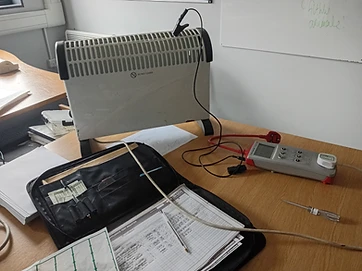
- Portable heaters: should receive particular attention because of heat, high power demand, positioning and potential fire consequences
COMMERCIAL & INDUSTRIAL PAT TESTING
Extension Leads, Adaptors and Overloaded Sockets
Commercial premises should avoid unnecessary use of extension leads, trailing leads and adaptors. Where they are necessary, they should be suitable for the load and environment and checked for damage. Fire-safety guidance for offices and shops highlights overloading, correct fuse ratings, flexible cables, portable equipment and the physical environment as issues to consider.
COMMERCIAL & INDUSTRIAL PAT TESTING
Fire Safety
Electrical equipment should also be considered within the premises' fire-risk assessment. Faulty equipment, overloading, damaged cables and inappropriate use can contribute to fire. Government fire-safety guidance for offices and shops specifically identifies portable electrical equipment, PAT, fixed installations, overloading, earthing and the physical environment as matters to consider.
COMMERCIAL & INDUSTRIAL PAT TESTING
PUWER and Specialist Equipment
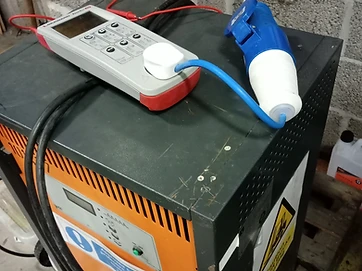
Where commercial premises include machinery, workshop equipment, cleaning machines or other work equipment used by employees, the Provision and Use of Work Equipment Regulations 1998 (PUWER) may also apply. PAT does not demonstrate that machinery is safe in every respect.
COMMERCIAL & INDUSTRIAL PAT TESTING
Fixed-Wired Equipment and Safe Isolation
Some commercial equipment is permanently connected to the electrical installation. Where inspection, testing, repair or maintenance requires access to fixed wiring or safe isolation, the work should be undertaken only by a person competent and trained for that task. Professional boundary: a PAT technician should work within their training, competence, equipment and safe working procedures. Fixed-wired equipment or electrical installation work requiring safe isolation should be referred to an appropriately competent electrical professional where necessary.
COMMERCIAL & INDUSTRIAL PAT TESTING
What a Well-Managed Office Should Have
- A proportionate assessment of electrical risks
- User/pre-use checks and a clear defect-reporting process
- Formal visual inspection at appropriate intervals
- Electrical testing where justified by risk and carried out by a competent person
- Particular attention to heavily used, frequently moved or high-power equipment
- Prompt removal of damaged or defective equipment from service
- Appropriate maintenance and manufacturer instructions followed
- Suitable records where useful for managing and reviewing the maintenance system
- Clear arrangements for fixed-wired or specialist equipment outside the PAT technician's competence
COMMERCIAL & INDUSTRIAL PAT TESTING
Key Message for Commercial Premises
Good electrical safety is not measured by the number of PAT stickers. It is measured by whether the business has an effective system for identifying electrical risks, maintaining equipment and preventing danger. In a low-risk office, that system may require less formal testing than equipment used in a harsh or high-use environment. General guidance for office and commercial premises in England. This document is not a substitute for legal advice, an electrical installation inspection, fire-risk assessment or PUWER assessment. The scope and frequency of inspection and testing should reflect the equipment, environment and competence of the person carrying out the work.


WHY CHOOSE OCEAN CITY PAT TESTING
Why Choose Us
GUIDING YOU SAFELY
Need commercial & industrial pat testing?
Get in touch with Ocean City PAT Testing today to discuss your requirements or arrange a professional service.