OUR SERVICES
GP, Dental & Vet Practices PAT Testing
Careful, reliable PAT testing for GP surgeries, dental practices, veterinary surgeries and healthcare environments.
PROFESSIONAL PAT TESTING FOR GP, DENTAL & VET PRACTICES
Professional PAT Testing for GP, Dental & Vet Practices
Ocean City PAT Testing provides professional Portable Appliance Testing for GP surgeries, dental practices, veterinary surgeries and healthcare environments across Plymouth, Devon and surrounding areas.
GP, DENTAL & VET PRACTICES PAT TESTING
Why These Environments Need a Careful Approach
Veterinary practices, dental surgeries and GP practices use a mixture of ordinary portable electrical equipment and specialist equipment. Some equipment is used in clinical or treatment areas, close to patients or animals, while other equipment is used in offices, kitchens, cleaning areas and staff rooms. The electrical risks therefore vary significantly within the same premises.
GP, DENTAL & VET PRACTICES PAT TESTING
The Legal Framework
The Electricity at Work Regulations 1989 apply to work activities and require electrical systems to be maintained so far as is reasonably practicable to prevent danger. HSE guidance does not prescribe an annual PAT test for every item. Instead, maintenance should be appropriate to the equipment, environment, use and risk. HSE HSG107 describes a maintenance system based on user checks, formal visual inspection and testing where necessary. Importantly, HSG107 covers most Class I and Class II portable equipment but specifically excludes electromedical equipment because special requirements apply.
GP, DENTAL & VET PRACTICES PAT TESTING
Typical Portable Equipment
- GP practices: computers, printers, kettles, examination lamps, vacuum cleaners and other general equipment
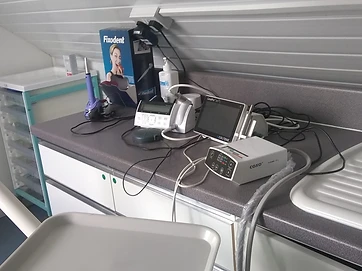
- Dental practices: office equipment, cleaning equipment and other portable items, alongside specialist dental equipment requiring appropriate servicing and maintenance
- Veterinary practices: office and cleaning equipment, portable heaters, grooming equipment and other general portable equipment, alongside specialist veterinary equipment
GP, DENTAL & VET PRACTICES PAT TESTING
Common Electrical Risks
- Water and cleaning fluids around electrical equipment
- Disinfectants, chemicals and other contaminants
- Frequent movement of portable equipment and cables
- Damage caused by cleaning, trolleys, furniture or foot traffic
- Heat, overheating and blocked ventilation
- Equipment used close to patients, clients or animals
- Equipment used in treatment, dental, laboratory or preparation areas
- Extension leads, adaptors and cable reels where their use introduces additional risk
GP, DENTAL & VET PRACTICES PAT TESTING
PAT Is Part of the Maintenance System
A PAT test is not an automatic annual requirement for every appliance. The duty holder should have an appropriate maintenance regime. User checks, formal visual inspection and electrical testing can each have a place, depending on the risk. Example: an office kettle and a portable vacuum cleaner may both be Class I appliances, but their frequency of movement, environment and exposure to damage can be quite different. The maintenance regime should reflect those differences.
GP, DENTAL & VET PRACTICES PAT TESTING
Specialist Medical and Veterinary Equipment
Particular care is required with equipment used directly for diagnosis, treatment, monitoring, surgery or other clinical purposes. HSE's HSG107 specifically excludes electromedical equipment from its scope because special requirements apply. Such equipment should not automatically be treated as ordinary PAT equipment. Inspection, testing, calibration, electrical safety checks and servicing should be carried out in accordance with the manufacturer's requirements and the practice's equipment-management procedures, by people competent for the particular equipment and task. A PAT technician can therefore reasonably identify specialist equipment as outside the scope of their service where they do not have the required training, competence, test equipment or manufacturer-specific knowledge.
GP, DENTAL & VET PRACTICES PAT TESTING
Dental Practices — Additional Considerations
Dental practices can contain treatment units, compressors, suction systems, sterilisation equipment, lamps and other specialist equipment. A satisfactory portable-appliance test does not establish that a dental unit or specialist device is safe in every respect. Manufacturer servicing, clinical-equipment maintenance and other relevant checks should be kept separate from a general PAT programme.
GP, DENTAL & VET PRACTICES PAT TESTING
Veterinary Practices — Additional Considerations
Veterinary practices may combine electrical equipment with water, cleaning chemicals, animal movement and treatment environments. Equipment may also be exposed to hair, dirt, disinfectants and physical damage. Portable equipment should be suitable for its environment and removed from service if defects or deterioration are found.
GP, DENTAL & VET PRACTICES PAT TESTING
PUWER and Work Equipment
The Provision and Use of Work Equipment Regulations 1998 (PUWER) can apply to equipment used by employees. Where equipment is work equipment, its safety cannot be demonstrated by an electrical PAT result alone. Suitability, maintenance, inspection, safeguarding and safe use must be considered where applicable.
GP, DENTAL & VET PRACTICES PAT TESTING
Fixed-Wired Equipment and Safe Isolation
Some practice equipment is permanently connected to the electrical installation. Where inspection or testing requires access to fixed wiring, isolation of the supply or other electrical work, it should only be undertaken by a person competent and trained for that work. Professional boundary: a PAT technician should work within their training, competence, equipment and safe working procedures. If safe isolation or specialist electrical work is required and the technician is not competent for that task, it should be referred to an appropriately competent electrical professional.
GP, DENTAL & VET PRACTICES PAT TESTING
What a Well-Managed Practice Should Have
- A suitable risk assessment covering electrical equipment and its environment
- User/pre-use checks and a clear defect-reporting process
- Formal visual inspection at appropriate intervals
- Electrical testing where justified by risk and carried out by a competent person
- Manufacturer servicing and maintenance for specialist equipment
- Prompt removal of damaged or defective equipment from service
- Appropriate records of inspection, testing, servicing and remedial action
- Clear arrangements for fixed-wired and specialist equipment outside the PAT technician's competence
GP, DENTAL & VET PRACTICES PAT TESTING
Key Message
PAT should support the practice's electrical-safety management system, not replace it. The safest approach is to distinguish ordinary portable equipment from specialist clinical or veterinary equipment, assess the risks of the environment and ensure that each item is inspected, tested, serviced or maintained by a person competent for the work involved. General guidance for practices in England. This document is not a substitute for legal advice, clinical equipment guidance, an electrical installation inspection, risk assessment or manufacturer instructions. HSG107 specifically excludes electromedical equipment from its scope because special requirements apply.


WHY CHOOSE OCEAN CITY PAT TESTING
Why Choose Us
GUIDING YOU SAFELY
Need gp, dental & vet practices pat testing?
Get in touch with Ocean City PAT Testing today to discuss your requirements or arrange a professional service.