OUR SERVICES
Hotel & Hospitality PAT Testing
Disruption-free testing for hotels, B&Bs and hospitality venues, keeping guest rooms and kitchens safe.
PROFESSIONAL PAT TESTING FOR HOTELS & HOSPITALITY BUSINESSES
Professional PAT Testing for Hotels & Hospitality Businesses
Ocean City PAT Testing provides professional Portable Appliance Testing for hotels, hospitality venues and accommodation businesses across Plymouth, Devon, Torbay and South East Cornwall.
HOTEL & HOSPITALITY PAT TESTING
Why Hospitality Requires a Risk-Based Approach
Hospitality venues can contain a wide range of electrical equipment used by staff, guests and contractors. The risks vary considerably between guest bedrooms, kitchens, laundries, housekeeping areas, maintenance areas and offices. HSE guidance confirms that the type and frequency of inspection and testing should depend on the equipment, the environment and the results of previous checks.
HOTEL & HOSPITALITY PAT TESTING
Common Hospitality Equipment
- Guest areas: hairdryers, kettles, irons, lamps, televisions, fans and portable equipment
- Housekeeping: vacuum cleaners, carpet cleaners, steam cleaners, floor machines and chargers
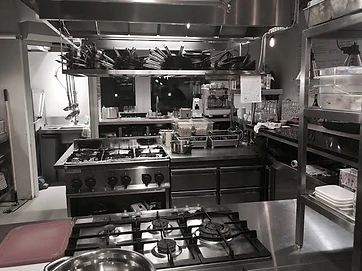
- Kitchens: mixers, blenders, food processors, toasters, portable cooking equipment and other commercial appliances
- Laundry: irons, pressing equipment, cleaning equipment and associated portable equipment
- Maintenance: drills, grinders, inspection lamps, extension leads, cable reels and power tools
HOTEL & HOSPITALITY PAT TESTING
The Risks Can Be Very Different
A bedside lamp in a dry bedroom is exposed to a different level of risk from a vacuum cleaner used every day, or a steam cleaner combining electricity, water, heat and movement. Commercial kitchens can add heat, moisture, grease, food contamination and intensive use. HSE notes that hotels may contain a mixture of lower-risk areas and higher-risk areas such as kitchens and laundries.
HOTEL & HOSPITALITY PAT TESTING
PAT Is Part of Electrical Safety Management
There is no blanket legal requirement for every hospitality appliance to receive a PAT test at a fixed annual interval. The Electricity at Work Regulations 1989 require electrical equipment to be maintained, so far as is reasonably practicable, to prevent danger. HSE recommends a maintenance system that can include user checks, formal visual inspection and testing where necessary. HSE specifically identifies equipment used by the public in hotels in its suggested initial inspection frequency guidance. This demonstrates why guest-use equipment may need more frequent attention than equipment used only by staff, while also recognising that actual risk and experience should determine the regime.
HOTEL & HOSPITALITY PAT TESTING
Guest Use Creates Additional Risk
Guests may not recognise electrical defects, may use equipment differently from staff, and may not report damage. For this reason, equipment provided for guest use needs an effective inspection and maintenance process. Staff visual checks between uses or rooms can be an important control, particularly for items that are frequently moved or handled.
HOTEL & HOSPITALITY PAT TESTING
Commercial Kitchens and Laundries
These areas commonly contain higher-risk equipment and harsher operating conditions. Equipment may be exposed to water, heat, grease, cleaning chemicals, vibration, mechanical damage and intensive daily use. Inspection and testing arrangements should reflect these conditions rather than simply applying the same interval used for low-risk office equipment.
HOTEL & HOSPITALITY PAT TESTING
PAT Does Not Replace PUWER
The Provision and Use of Work Equipment Regulations 1998 (PUWER) apply to work equipment used by employees. They are particularly relevant to commercial kitchen machinery, cleaning machines and maintenance equipment. A satisfactory electrical test does not demonstrate that machinery is safe in every other respect. For example, a commercial food mixer could have satisfactory electrical test results while having a defective guard or safety interlock. PAT cannot establish that the machine is mechanically safe or that all PUWER requirements have been met.
HOTEL & HOSPITALITY PAT TESTING
Fixed-Wired Equipment — An Important Boundary
The IET Code of Practice for In-service Inspection and Testing of Electrical Equipment, 5th Edition, takes a broader approach to electrical equipment and recognises that some equipment may be wired directly into an installation rather than connected by a plug. However, inspection and testing must be carried out by a person competent for the work involved. Where equipment requires access beyond the normal plug-and-socket connection and safe isolation of the electrical supply is necessary, this is not simply a matter of carrying out a conventional PAT test. HSE states that work on electrical equipment must be properly planned and that people carrying out the work must be competent for the task. Professional boundary: if a PAT technician does not have the training, competence or safe-isolation procedures required to work on fixed-wired equipment, it is appropriate to restrict the service to equipment within their competence and refer fixed-wired equipment to a suitably competent electrical professional.
HOTEL & HOSPITALITY PAT TESTING
Fire Safety Is Also Important
In hotels and other hospitality premises, electrical equipment should also be considered as a potential source of ignition. The Regulatory Reform (Fire Safety) Order 2005 places duties on the responsible person to manage fire risks. Electrical inspection, maintenance and prompt removal of defective equipment should therefore form part of the wider fire-safety management arrangements.
HOTEL & HOSPITALITY PAT TESTING
What a Well-Managed Hospitality Business Should Have
- A risk-based electrical equipment maintenance programme
- User/pre-use checks and a clear defect-reporting procedure
- Formal visual inspections at appropriate intervals
- Electrical testing where justified by risk and carried out by a competent person
- Particular attention to kitchens, laundries, housekeeping and guest-use equipment
- Prompt removal of defective equipment from service
- Appropriate maintenance under manufacturers' instructions
- Suitable records of inspections, tests, defects and remedial action
- Clear arrangements for equipment requiring specialist inspection, repair or safe isolation
HOTEL & HOSPITALITY PAT TESTING
Key Message for Hospitality Duty Holders
PAT is not simply a yearly sticker exercise. Electrical safety should be managed according to the way equipment is used, the environment in which it operates, who uses it, how often it is used and the consequences of failure. The more demanding the environment or use, the more carefully the inspection and maintenance arrangements should be considered. General guidance for hospitality businesses in England. This document is not a substitute for legal advice, a fire-risk assessment, an electrical installation inspection or a PUWER assessment. Competence and safe-isolation requirements must be considered before undertaking work on fixed-wired equipment.



WHY CHOOSE OCEAN CITY PAT TESTING
Why Choose Us
GUIDING YOU SAFELY
Need hotel & hospitality pat testing?
Get in touch with Ocean City PAT Testing today to discuss your requirements or arrange a professional service.