
OUR SERVICES
Motor Vehicle Garages PAT Testing
Robust PAT testing for motor vehicle garages, workshops and MOT testing stations, keeping workshop and office equipment safe.
PROFESSIONAL PAT TESTING FOR MOTOR VEHICLE GARAGES
Professional PAT Testing for Motor Vehicle Garages
Ocean City PAT Testing provides professional Portable Appliance Testing for motor vehicle garages, workshops and MOT testing stations across Plymouth, Devon and surrounding areas.
MOTOR VEHICLE GARAGES PAT TESTING
Why the Environment Matters
Motor vehicle repair and associated businesses can expose electrical equipment to oil, fuel, solvents, water, dust, vibration, impact, vehicle movement and heavy use. HSE guidance specifically identifies these conditions as capable of damaging portable electrical equipment and recommends minimising mains-voltage portable equipment where practicable. The electrical safety duty is to maintain equipment so that it does not present danger. PAT testing is one part of a suitable inspection and maintenance system; it is not a substitute for user checks, formal visual inspection, safe use and competent repair.
MOTOR VEHICLE GARAGES PAT TESTING
Key Electrical Risks
- Trailing leads damaged by vehicles, tools, doors, ramps or workshop traffic
- Oil, fuel, brake fluid, solvents, water and cleaning products contaminating equipment
- Portable tools subjected to impact, vibration and rough handling
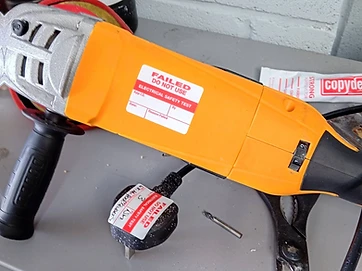
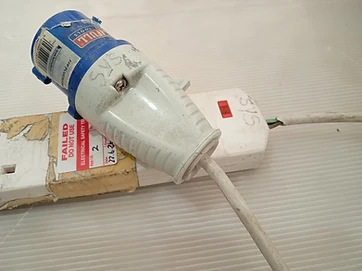
- Damaged plugs, flexes, casings and industrial connectors
- Use of electrical equipment in wet areas, including valeting and pressure-washing areas
- Unsuitable extension leads or overloaded distribution equipment
- Defective sockets, RCDs or fixed wiring
- Electrical equipment positioned near flammable liquids, vapours or combustible materials
- Temporary supplies and equipment being moved between workshop and outdoor areas
- Vehicle battery chargers, jump starters, inverters and other high-current equipment being misused
MOTOR VEHICLE GARAGES PAT TESTING
Workshop-Specific Hazards
- Inspection pits, drains and sumps may present increased fire/explosion risks where petrol, LPG or vapours could accumulate
- Grinding, cutting, welding and other hot work can provide ignition sources
- Handlamps may be exposed to impact, oil and water; suitable low-voltage or appropriately protected lamps should be considered
- Pressure washers and other wet-use equipment require appropriate protection and inspection
- Vehicle lifts and associated electrical equipment must be maintained so that danger is prevented
- Compressed-air equipment and hoses can create additional trip and mechanical hazards
- Paint mixing and spraying areas may involve flammable or hazardous substances and require appropriate equipment and controls
MOTOR VEHICLE GARAGES PAT TESTING
PAT / Inspection and Testing — A Risk-Based Approach
HSE guidance states that combined inspection and testing should be carried out periodically at periods appropriate to the equipment, its manner and frequency of use and its environment. HSE's motor-vehicle-repair guidance describes a system combining user visual checks, formal visual inspections and testing by a competent person.
MOTOR VEHICLE GARAGES PAT TESTING
Risk Factors to Consider
- Environment: oil, fuel, water, solvents, dust, heat, vibration and outdoor exposure
- Use: daily commercial use, high-load tools and equipment used for long periods
- Movement: equipment moved between vehicles, work bays, ramps, forecourts and storage areas
- Damage: impact, crushing, abrasion and vehicle traffic
- Equipment type: Class I tools, handlamps, chargers, pressure washers, vacuums and workshop machinery
- Supply: fixed sockets, extension systems, temporary supplies and generator/inverter supplies
- History: previous failures, repairs, damaged leads or recurring defects
MOTOR VEHICLE GARAGES PAT TESTING
Equipment Commonly Found in Garages
- Battery chargers and jump-start equipment
- Portable inspection lamps and work lights
- Drills, grinders and other power tools
- Pressure washers and wet-cleaning equipment
- Vacuum cleaners and valeting equipment
- Air compressors and associated electrical controls
- Tyre equipment and wheel-balancing equipment
- Engine and diagnostic equipment
- Office equipment, computers and customer-area appliances
- Extension leads, cable reels and portable distribution equipment
MOTOR VEHICLE GARAGES PAT TESTING
Car Showrooms and Customer Areas
A showroom may appear to be a low-risk environment, but electrical equipment can still be exposed to cleaning, public access, portable displays and frequent movement.
- Display lighting and portable lighting
- Computers, monitors, printers and payment equipment
- Vacuum cleaners and cleaning equipment
- Portable heaters and kitchen appliances
- Extension leads used for displays or events
- Vehicle chargers and demonstration charging equipment
- Equipment accessible to customers or children
- Floor cables creating trip hazards
MOTOR VEHICLE GARAGES PAT TESTING
Practical Controls for the Business Owner
- Train staff to carry out suitable pre-use visual checks and report defects
- Remove damaged equipment from service immediately
- Use cordless, air-powered or suitable reduced-voltage equipment where this reasonably reduces risk
- Use suitable RCD protection and ensure protective devices are maintained and tested appropriately
- Keep cables away from vehicle routes, water, oils, chemicals and hot surfaces
- Keep electrical equipment clean and maintained in accordance with manufacturers' instructions
- Arrange periodic formal inspection and, where justified, electrical testing by a competent person
- Keep useful records of inspections, tests, repairs and remedial actions
- Review the risk assessment when equipment, premises, processes or working conditions change
MOTOR VEHICLE GARAGES PAT TESTING
Important Point About PAT Testing
There is no universal legal requirement to PAT test every appliance every year. HSE's general guidance supports a maintenance system based on the equipment, its use and its environment. For motor vehicle repair, HSE's sector guidance notes that PAT testing should typically be carried out every 6–12 months, but this sits within a wider system of user checks, formal inspections and maintenance. The appropriate interval should therefore be justified by risk and the actual conditions in which the equipment is used. A workshop tool exposed to oil, vibration and heavy daily use is not necessarily comparable with a low-risk appliance in a dry office.
MOTOR VEHICLE GARAGES PAT TESTING
A Simple Garage Electrical Safety Checklist
- Pre-use visual checks completed
- Plugs, leads and casings free from obvious damage
- RCD/protective devices appropriate and functioning
- Equipment suitable for the environment
- Extension leads and cable reels suitable and undamaged
- Equipment kept away from fuel, solvents and other ignition-sensitive areas
- Wet-use equipment appropriately protected
- Defective equipment removed from service
- Inspection/testing records maintained
- Repairs and remedial actions followed through
MOTOR VEHICLE GARAGES PAT TESTING
Why This Matters
HSE's motor vehicle repair guidance specifically highlights the combination of trailing leads, vehicle movements and contamination by oil, fuel, solvents and water as a source of damage to portable electrical equipment. Recent HSE enforcement also demonstrates that electrical maintenance remains an active workplace-safety issue in the sector. Electrical safety should therefore be considered as part of the garage's overall risk assessment — not as a standalone annual PAT exercise. Guidance note • England • August 2026.


WHY CHOOSE OCEAN CITY PAT TESTING
Why Choose Us
GUIDING YOU SAFELY
Need motor vehicle garages pat testing?
Get in touch with Ocean City PAT Testing today to discuss your requirements or arrange a professional service.